
Outdoor spaces are often underutilised, but with the right structure and design, they can become a natural extension of your home. Why a timber deck can instantly boost your outdoor living space comes down to practicality, comfort, and the ability to personalise a blank canvas.
A well-built deck adds immediate useability to your backyard, offering a flat, elevated surface for dining, lounging, or entertaining—all while complementing your home’s architecture.
Whether you’re already weighing up design choices like pergola vs verandah, or just beginning your backyard improvement journey, a timber deck is a smart place to start. It creates a foundation on which additional features can be added while immediately enhancing your lifestyle.
The Practical Advantages of a Timber Deck
Adds Usable Space Without Major Construction
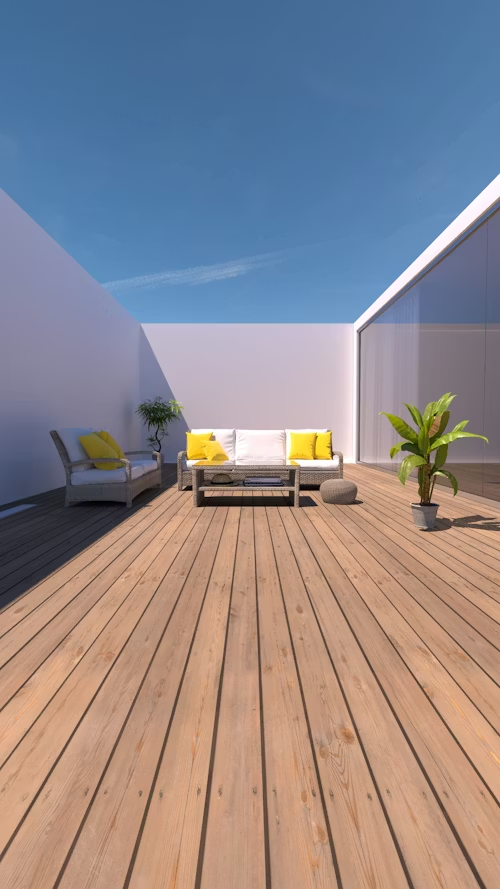
Timber decks create a level platform over uneven ground or lawn. This transforms previously sloped or awkward areas into functional living zones. Unlike full extensions, decks don’t usually require major earthworks or extensive changes to your existing home, which keeps costs down and minimises disruption.
They also offer a fast way to expand living space. Once permits are sorted and foundations are prepared, timber decking can often be completed within days, making it one of the most efficient backyard upgrades.
Connects Indoor and Outdoor Zones
Decks positioned directly off living rooms or kitchens can improve indoor-outdoor flow. This encourages more time spent outside without losing connection to the home. Large doors, sliding panels or stacker windows can be added to further enhance access and create a seamless transition between zones.
This integration is particularly useful during gatherings or meal times, allowing movement between the dining table and the outdoor space without effort.
Design Flexibility to Match Any Home
Works with Modern and Traditional Styles
Timber decks are versatile enough to suit a range of home designs. From weatherboard cottages to new builds, timber offers a natural material that can be shaped, stained, and finished to match or contrast the existing style.
Balustrades, staircases, and edging can be customised, allowing you to keep the look simple or add decorative detailing. For homes with heritage features, wide boards and classic trims may be used. For contemporary builds, sleek lines and dark stains offer a bold finish.
Can Be Elevated or Ground-Level
Depending on your site, a deck can be built flush with the home’s floor or raised to create separation from the lawn or paving. Elevated decks often include storage underneath or feature steps that double as seating.
In areas with uneven ground, raised decks solve access issues and remove the need for expensive landscaping work.
Timber Options That Combine Style and Strength
Hardwood Timber Decking
Hardwood species such as spotted gum, merbau and ironbark are widely used for decking in Australia. They offer natural resistance to rot, termites, and harsh weather. Hardwoods have attractive colour tones and grain patterns, which can be enhanced with oil or left to weather to a silver-grey patina.
These materials are particularly well-suited to areas exposed to sun and rain, offering decades of service with regular maintenance.
Treated Pine as a Budget-Friendly Option
Treated pine provides a more affordable entry into timber decking. It is easy to work with, can be painted or stained, and is widely available. While not as durable as hardwoods, it still performs well when properly sealed and maintained.
Treated pine is often used in lower-traffic areas or as a base structure beneath more premium surface boards.
Enhancing the Deck with Additional Features
Pergolas, Shade and Overhead Cover
While a deck adds surface space, incorporating overhead protection increases functionality. Many homeowners face the pergola vs verandah decision at this stage. Pergolas are typically freestanding and open-roofed, offering partial shade. Verandahs are more likely to be roofed and attached to the main house, providing greater protection from rain and sun.
Both can be built over timber decks and tailored to suit the overall design. Adding shade allows year-round use and prevents UV damage to furniture and deck boards.
Lighting and Power Points
Built-in lighting helps extend use of the space into the evening. Recessed stair lights, post-mounted fittings or overhead string lights create atmosphere and visibility. Power points allow for outdoor appliances, music systems, or heating units.
Planning these features during construction ensures clean installation and avoids visible cords or retrofitted solutions.
Low-Maintenance Living with Smart Design
Finishing Treatments to Protect the Timber
Timber decking needs protection against moisture, UV rays and wear. Oil, stain, or sealant should be applied regularly based on the material and exposure. Choosing the right finish from the start helps the deck age gracefully and maintain structural integrity.
High-quality coatings resist fading, peeling and water damage. Non-slip finishes are also available for high-traffic or wet areas.
Built-In Drainage and Ventilation
Proper ventilation under the deck prevents moisture build-up and timber rot. Gaps between boards allow water to drain freely, and air circulation helps keep the area dry. Builders should install flashing, drainage channels and weed barriers where needed to ensure the long-term performance of the structure.
Value That Goes Beyond Aesthetics
Increases Property Appeal
Outdoor spaces are highly desirable for prospective buyers. A professionally built timber deck adds a lifestyle feature that can sway decisions. It shows forethought in design and adds practical living area without major construction.
Real estate agents often highlight decks in listings, and they consistently rate among the top return-on-investment projects for homeowners.
Encourages Outdoor Living
Australians are known for enjoying outdoor life. A timber deck supports this by giving families a place to relax, eat, socialise and spend time outside without stepping into the grass or dirt.
This change in how a space is used can improve daily routines, encourage time away from screens, and make the home feel more spacious overall.
Frequently Asked Questions
How long does it take to build a timber deck?
The timeline depends on the size, design, and site conditions. A standard timber deck can be built within one to two weeks once materials and approvals are sorted. Larger or more complex builds may take longer due to additional structural requirements.
Do I need a permit to build a deck?
In many council areas, decks over a certain height or attached to the home require planning approval. It’s best to check with your local authority or consult a builder familiar with regulations. This ensures your project meets safety standards and avoids issues during future property inspections or sales.
How do I maintain a timber deck?
Maintenance includes regular sweeping, occasional washing, and reapplying oil or stain every 12 to 24 months depending on exposure. Inspections for loose boards or nails are also recommended. Consistent upkeep helps preserve the deck’s appearance and prolong its lifespan.
Conclusion
Why a timber deck can instantly boost your outdoor living space is clear when you consider the combination of functionality, visual appeal and improved lifestyle. With a relatively short construction time and the ability to customise design, timber decking remains one of the most effective home improvements.
When paired with smart additions—whether it’s strategic lighting, overhead cover, or a well-considered decision around pergola vs verandah—a timber deck can transform your backyard into a usable, enjoyable part of your home. From breakfast outside to evening gatherings, it offers a platform for better outdoor living, all year round.