
Portrait photography is all about capturing the essence of a person, their emotions, and their personality. One of the most important elements in achieving a captivating portrait is mastering light.
Light can completely transform a photograph, bringing depth, drama, and life to your images. Whether you’re shooting in a studio or outdoors, understanding how to work with light will allow you to create striking and professional portraits.
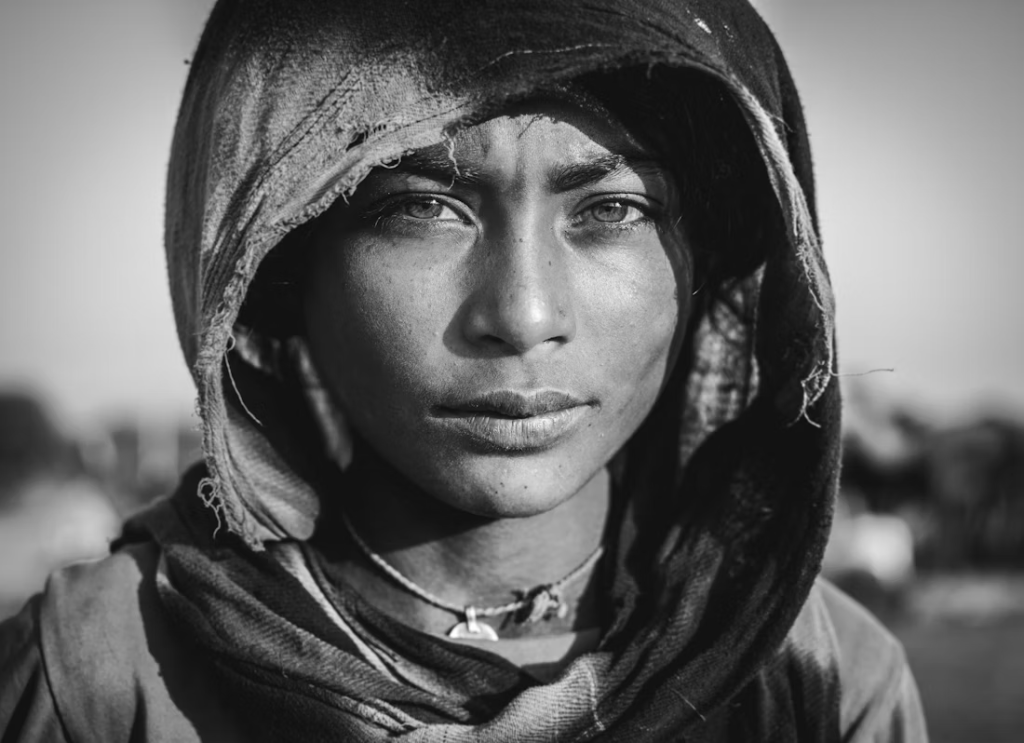
In this guide, we will look at essential techniques for mastering light in portrait photography, allowing you to elevate your skills and produce stunning images every time. If you’re looking for additional insights on lighting, be sure to check out this web link for more expert advice.
The Role of Light in Portrait Photography
Before diving into specific techniques, it’s important to understand the vital role that light plays in portrait photography. Light can:
- Define shapes and contours: The direction, quality, and intensity of light help define the subject’s features.
- Set the mood and tone: The type of light you use influences the overall feel of your portrait, from soft and romantic to dramatic and intense.
- Control exposure and contrast: Proper light management ensures your portrait has the right balance of shadows and highlights.
Mastering light is the key to creating a portrait that captures the subject in the best possible way.
Types of Light: Understanding Your Options
To create captivating portraits, it’s essential to understand the different types of light at your disposal. Each type has its own set of characteristics, and knowing how to use them can completely transform your portraits.
Natural Light
Natural light is the light provided by the sun, and it is one of the most flattering and versatile light sources available to portrait photographers.
Whether shooting indoors near a window or outdoors on a cloudy day, natural light offers a soft, warm glow that can highlight your subject’s features beautifully.
- Golden Hour: The hour just after sunrise and before sunset is often referred to as “golden hour.” The light during this time is soft, warm, and diffused, making it ideal for portraits.
- Overcast Days: Cloudy skies create a natural diffuser, providing even and soft lighting that helps reduce harsh shadows.
Why Natural Light Works:
- Flattering and Soft: Natural light, especially during golden hour or on overcast days, is gentle on the skin and produces flattering results.
- Variety: Natural light can change throughout the day, offering different moods and tones to suit your creative vision.
Artificial Light
Artificial light, such as studio lights, flashes, or LED panels, provides more control over your lighting setup. While natural light can be unpredictable, artificial light allows for consistent results, especially in controlled environments like a studio.
- Continuous Lighting: Continuous lighting sources, like LED panels or softboxes, allow you to see how the light interacts with your subject in real-time.
- Flash Lighting: Flash lighting offers a burst of light, typically used for freezing motion and adding dramatic effects to portraits.
Why Artificial Light Works:
- Precise Control: You can manipulate the intensity, direction, and quality of light, giving you complete control over the final result.
- Versatility: Artificial light allows for creative lighting setups, such as high-key or low-key lighting, which can completely alter the mood of a portrait.
Key Lighting Techniques for Portrait Photography
Once you understand the types of light available, the next step is learning how to apply specific lighting techniques to enhance your portraits. Here are some key lighting setups every portrait photographer should master.
1. Rembrandt Lighting: Classic and Dramatic
Rembrandt lighting is a classic lighting technique that creates a triangle of light on the subject’s cheek. It’s named after the painter Rembrandt, who used this light setup to create dramatic portraits.
- How to Achieve It: Place the key light (main light) at a 45-degree angle from your subject and slightly above their eye level. This creates shadows on one side of the face while illuminating the other.
- Effect: This setup produces a dramatic and timeless portrait, often used for formal or moody photography.
Why It Works:
- Classic Look: Rembrandt lighting has been used for centuries and is a tried-and-true method for creating striking portraits.
- Depth and Dimension: The lighting creates a sense of depth on the face, adding dimension to the subject’s features.
2. Split Lighting: Bold and Intense
Split lighting is a lighting technique that divides the subject’s face into equal halves, with one side in shadow and the other fully lit. This bold and intense lighting setup is perfect for creating a high-contrast look.
- How to Achieve It: Position the key light directly to the side of the subject, either left or right. The light should illuminate one half of the face while leaving the other half in shadow.
- Effect: This technique creates a powerful and dramatic image, often used in fashion or editorial portraiture.
Why It Works:
- Strong Contrast: The high contrast created by split lighting makes it ideal for bold and edgy portraits.
- Emphasises Features: Split lighting brings attention to the subject’s features and creates a more intense, dramatic feel.
3. Butterfly Lighting: Soft and Flattering
Butterfly lighting, also known as Paramount lighting, is a flattering and soft lighting technique often used for beauty and glamour shots. It creates a butterfly-shaped shadow under the subject’s nose, hence the name.
- How to Achieve It: Place the key light directly above and in front of the subject, creating soft shadows beneath the chin and nose. This lighting setup works best when the subject is facing directly towards the camera.
- Effect: The soft, flattering light is perfect for beauty, fashion, and portrait photography, as it highlights the subject’s facial features without creating harsh shadows.
Why It Works:
- Flattering for Faces: The soft light creates a smooth, even tone on the subject’s skin, making it ideal for portraits where you want to highlight facial features.
- Elegant Look: Butterfly lighting is commonly used in classic portrait photography and is perfect for formal or glamour shots.
4. Backlighting: Creating Silhouettes and Drama
Backlighting is a technique where the light source is placed behind the subject, creating a dramatic effect and often producing silhouettes. This technique works well when you want to create striking, mood-filled portraits.
- How to Achieve It: Position the subject in front of a light source (like the sun or a flash). Use a reflector or additional lighting to illuminate the subject’s face or body, ensuring they don’t become completely dark.
- Effect: Backlighting can create beautiful silhouettes or glowing halos around the subject, often used for creative or dramatic portraiture.
Why It Works:
- Adds Drama: Backlighting adds an element of mystery and intensity to your portrait.
- Emphasises Shapes: This technique highlights the subject’s outline, creating a strong visual impact.
Modifying Light: Using Tools to Enhance Your Portraits
While mastering lighting techniques is important, understanding how to modify light can help you refine your portraits even further. Light modifiers such as softboxes, reflectors, and diffusers allow you to control the quality of light and create the desired effect.
1. Softboxes and Umbrellas: Soften the Light
Softboxes and umbrellas are essential tools for softening and diffusing light. They help create a soft, flattering light that reduces harsh shadows and highlights, making them perfect for portrait photography.
How They Work:
- Softboxes: Softboxes create a large, diffused light source that softens the light hitting the subject. This is ideal for portraits as it creates even, natural-looking skin tones.
- Umbrellas: Umbrellas work similarly to softboxes, diffusing light and softening shadows. They’re typically easier to set up and more portable than softboxes.
2. Reflectors: Bounce Light to Fill Shadows
Reflectors are used to bounce light back onto the subject, filling in shadows and softening contrasts. They come in various colours, including white, silver, and gold, to achieve different effects.
How They Work:
- White Reflector: Produces a soft and neutral fill, ideal for natural light portraits.
- Gold Reflector: Adds a warm tone to your subject’s face, creating a golden glow.
- Silver Reflector: Produces a stronger, more intense fill, useful for high-contrast portraits.
Conclusion
Mastering the art of light is essential for creating captivating portrait photography. By understanding the different types of light, learning key lighting techniques, and using modifiers to shape and control the light, you can elevate your portrait photography to new heights.
Whether you’re shooting in natural light or using artificial lighting setups, the right light can transform an ordinary portrait into an extraordinary one. Keep experimenting, and don’t be afraid to get creative with your lighting setups to achieve stunning results every time.
Frequently Asked Questions
What is the best light for portrait photography?
The best light for portrait photography depends on the mood you wish to create. Soft, diffused light, like that found during golden hour or from a softbox, is ideal for flattering, natural portraits. If you want a more dramatic effect, consider using split or Rembrandt lighting.
How can I control harsh shadows in my portraits?
To control harsh shadows, use modifiers like softboxes, diffusers, or reflectors. These tools soften the light and help fill in shadows, giving your portrait a more even and flattering look.
How do I choose the right lighting setup for my subject?
Choosing the right lighting setup depends on the subject’s features and the desired mood. For a classic, soft look, use butterfly or Rembrandt lighting. For dramatic portraits, try split lighting or backlighting.