
Root canal therapy is one of the most common dental procedures, yet it remains surrounded by myths and misconceptions. Many people fear root canals, often based on misunderstandings, despite the procedure being highly effective at saving a damaged tooth.
This article aims to separate fact from fiction by addressing common myths about root canals and providing accurate information.
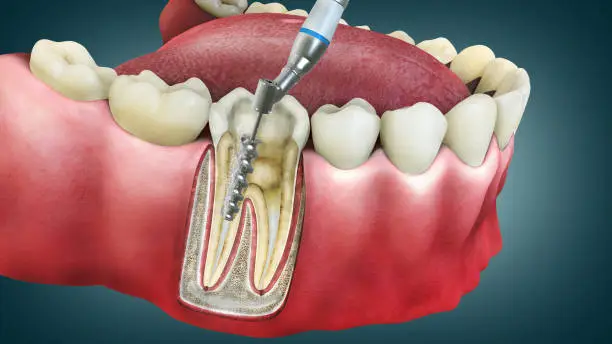
For example, many people are unaware of the important function of molar teeth and how root canal therapy can save these vital teeth from extraction. Let’s take a closer look at root canals and clear up the myths.
What Is a Root Canal?
Definition and Purpose
A root canal is a dental procedure used to treat infection or damage within the pulp of a tooth. The pulp contains nerves, blood vessels, and connective tissue.
If this area becomes infected or inflamed due to trauma or decay, a root canal is often necessary to save the tooth from extraction. During the procedure, the dentist removes the infected pulp, cleans the area, and seals it to prevent further infection.
When Is a Root Canal Needed?
A root canal is typically recommended if you experience severe tooth pain, prolonged sensitivity to hot or cold, or swelling around the affected tooth.
In some cases, there may be no symptoms, but a dentist might recommend a root canal if an X-ray shows an infection or damage to the tooth’s pulp.
Common Myths About Root Canals
Myth 1: Root Canals Are Extremely Painful
One of the most common myths about root canals is that they are incredibly painful. Many people associate the procedure with severe pain due to fear or past experiences with dental work.
However, with modern dental techniques and anaesthetics, root canals are no more painful than getting a routine filling. In fact, most patients report feeling little to no discomfort during the procedure itself.
The Facts:
- Modern anaesthetics ensure that the area is completely numb.
- Patients may feel some discomfort after the procedure, but it is usually manageable with over-the-counter pain relievers.
- The procedure often alleviates pain caused by the infection, leading to long-term relief.
Myth 2: Root Canals Cause Illnesses or Toxicity
Some people believe that the removal of the tooth’s pulp can lead to illnesses or toxic effects in the body. This myth is not supported by scientific evidence.
Root canal therapy has been performed for over a century, and extensive research shows no connection between root canals and systemic health problems. In fact, root canals are a safe and effective way to treat an infected tooth and prevent the spread of infection.
The Facts:
- Root canals do not cause illness or toxicity when performed by a qualified dentist.
- The procedure helps to prevent the spread of infection, which could otherwise affect surrounding tissues and organs.
- Proper post-treatment care ensures that the treated tooth remains healthy and functional.
Myth 3: Root Canals Are Only for People with Severe Decay
Another common misconception is that root canals are only necessary when a tooth is severely decayed or damaged. While it’s true that root canals are often performed on teeth with extensive decay, they can also be needed for teeth that have been cracked or traumatised.
If the tooth’s pulp becomes infected or inflamed, a root canal may be necessary to save the tooth, even if there is no obvious visible decay.
The Facts:
- Root canals are needed when the pulp of the tooth becomes infected or damaged, not just when there is visible decay.
- Cracked or chipped teeth can also lead to pulp damage, requiring a root canal to preserve the tooth.
- Early detection and treatment can often save the tooth and prevent more extensive procedures.
Myth 4: Root Canals Always Fail After Treatment
Some people worry that a root canal will eventually fail, requiring further treatment or even tooth extraction. While root canal therapy does not always guarantee the complete preservation of the tooth, the success rate is generally high.
With modern techniques and proper aftercare, most root canals last for many years. In rare cases, a second root canal or an apicoectomy (a surgical procedure) may be necessary if the infection returns.
The Facts:
- The success rate of root canals is over 95%, meaning the vast majority of patients can keep their treated teeth for many years.
- Proper oral hygiene and regular dental check-ups can ensure the longevity of the treated tooth.
- If a root canal does fail, other treatments are available to save or replace the tooth.
Myth 5: Root Canals Are Always Expensive
Many people avoid getting a root canal because they assume the procedure will be prohibitively expensive. While root canals can be more expensive than fillings, they are often much cheaper than tooth extraction followed by replacement options such as implants or bridges.
The cost of a root canal depends on factors like the complexity of the treatment, the tooth being treated, and whether the procedure is performed by a specialist.
The Facts:
- Root canals are a cost-effective way to save a tooth, especially when compared to extraction and replacement.
- Dental insurance may cover a portion of the cost of a root canal, making it more affordable.
- Discussing payment options with your dentist can help make the procedure more financially manageable.
The Root Canal Procedure: What to Expect
1. Initial Consultation and Diagnosis
Before performing a root canal, your dentist will thoroughly examine the affected tooth and take X-rays to assess the extent of the damage. The dentist will determine if a root canal is the best course of action based on the health of the tooth and the surrounding tissues.
2. Numbing the Area
To ensure that you remain comfortable during the procedure, the dentist will numb the area around the affected tooth with a local anaesthetic. You may feel a small pinch as the anaesthetic is administered, but the area will soon be completely numb.
3. Removing the Infected Pulp
Once the area is numb, the dentist will make a small opening in the crown of the tooth to access the pulp chamber. The infected or damaged pulp is carefully removed using specialised tools. The tooth’s root canals are then cleaned and shaped to ensure there are no remaining bacteria.
4. Sealing the Tooth
After cleaning the tooth, the dentist will fill the empty root canals with a rubber-like material called gutta-percha.
This seals the tooth and prevents further infection. In many cases, a temporary filling is placed over the tooth, and a permanent filling or crown is applied in a follow-up visit.
5. Aftercare and Recovery
After the procedure, you may experience some mild discomfort or sensitivity, especially if there was a lot of infection in the tooth.
Over-the-counter pain relievers can help manage any pain. Most patients return to their normal activities within a day or two, and the tooth should be fully healed in a few weeks.
Myths vs. Facts: Key Takeaways
Myth 1: Root canals are painful.
Fact: Root canals are not painful, and modern anaesthesia ensures that the procedure is comfortable. Any post-procedure discomfort is typically minimal and manageable.
Myth 2: Root canals cause illness.
Fact: Root canals are safe and do not lead to illness. They help prevent the spread of infection and preserve the tooth.
Myth 3: Root canals are only for severely decayed teeth.
Fact: Root canals are also used for cracked or traumatised teeth, not just those with visible decay.
Myth 4: Root canals fail over time.
Fact: Root canals have a high success rate, and with proper care, treated teeth can last for many years.
Myth 5: Root canals are too expensive.
Fact: Root canals are a cost-effective way to save a tooth compared to extraction and replacement.
Conclusion
Understanding root canals and the myths surrounding them is essential for making an informed decision about your dental health. Root canal therapy is a safe, effective, and generally painless procedure that can save your teeth from extraction.
By dispelling common myths and providing clear facts, you can approach the procedure with confidence. If you’re experiencing tooth pain or think you might need a root canal, consult with your dentist to learn more about the procedure and how it can help preserve your smile.
Frequently Asked Questions
Is a root canal necessary if I don’t feel pain?
Even if you don’t feel pain, a root canal may still be necessary if an X-ray shows that the pulp is infected or damaged. Early treatment can help prevent more severe issues later.
Can I eat after a root canal?
You should avoid chewing on the treated tooth until it has been permanently sealed with a crown or filling. However, you can usually eat soft foods once the anaesthesia wears off.
How long does it take to recover from a root canal?
Most patients recover from a root canal within a few days, though some mild discomfort may last for a week or two. Following your dentist’s aftercare instructions will help speed up recovery.