
Healthy skin often reflects overall wellbeing, and treatments that support renewal are gaining attention.
How IPL photofacials rejuvenate skin and fight visible ageing is not just about cosmetic appearance, but about strengthening the complexion against damage caused by the environment and time.
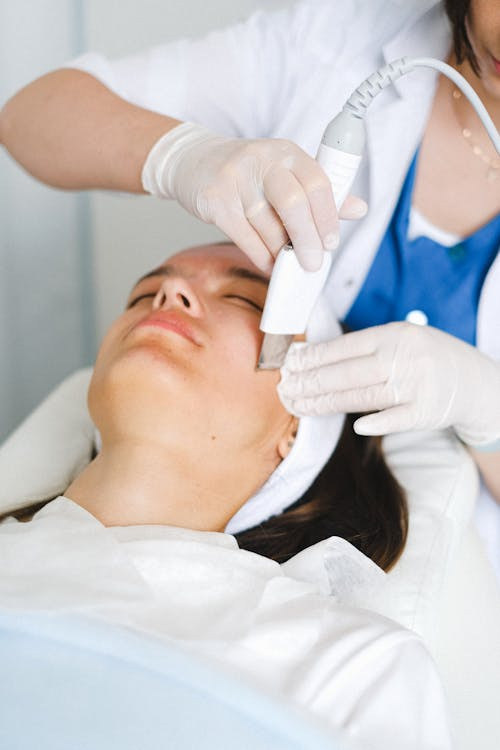
Alongside options such as facials for acne scars, IPL photofacials are considered one of the most effective methods for improving tone, texture, and clarity without the need for surgery.
What Are IPL Photofacials?
Understanding Intense Pulsed Light
IPL stands for Intense Pulsed Light, a technology that uses broad-spectrum light to target pigments and blood vessels beneath the skin’s surface.
Unlike laser treatments that focus on a single wavelength, IPL emits multiple wavelengths, making it suitable for treating a range of issues at once.
How the Process Works
During an IPL photofacial, pulses of light penetrate the skin. Pigments such as age spots, freckles, or redness absorb the light, which breaks them down for the body to remove naturally.
At the same time, the treatment stimulates collagen production, contributing to a smoother surface.
How IPL Photofacials Rejuvenate Skin and Fight Visible Ageing
Stimulating Collagen Production
Collagen is the protein responsible for skin firmness and elasticity. As people age, natural collagen levels decline, leading to wrinkles and sagging. IPL treatments encourage new collagen formation, gradually improving tightness and reducing fine lines.
Reducing Pigmentation and Age Spots
Sun exposure often causes uneven pigmentation, such as freckles or brown spots. IPL photofacials target these pigments, breaking them down and creating a more even tone. This is a key reason why how IPL photofacials rejuvenate skin and fight visible ageing is widely acknowledged in cosmetic practices.
Minimising Redness and Visible Veins
IPL can also treat broken capillaries, rosacea, and general redness. The light energy closes small vessels, which are then reabsorbed by the body.
Benefits of IPL Photofacials
Non-Invasive and Gentle
Unlike surgical options, IPL photofacials require no incisions. The treatment is performed on the surface, making it suitable for those wanting effective outcomes without recovery from invasive procedures.
Minimal Downtime
Clients can usually return to normal activities soon after a session. Temporary redness may occur but typically fades within hours.
Suitable for Different Skin Concerns
The versatility of IPL means it can address:
- Age spots
- Fine lines
- Broken capillaries
- Sun damage
- Redness from rosacea
The Process of an IPL Photofacial
Step 1: Consultation
A professional evaluates skin type and goals. This ensures the treatment settings are adjusted safely and effectively.
Step 2: Preparation
Protective eyewear is applied, and a cooling gel may be used to improve comfort and enhance light penetration.
Step 3: Treatment
The handpiece emits flashes of light across the targeted areas. Sessions usually last between 20 and 45 minutes, depending on the region treated.
Step 4: Post-Treatment Care
Skin may feel warm, similar to a mild sunburn. Aftercare typically includes avoiding direct sunlight and applying soothing products recommended by the clinician.
How Many Sessions Are Needed?
Typical Treatment Plan
Most people require a series of 3–6 sessions spaced several weeks apart. Each session builds on the results of the previous one, creating gradual but noticeable improvement.
Maintenance Treatments
Annual or biannual follow-up sessions are often recommended to maintain results, especially in climates with strong sun exposure.
How IPL Photofacials Compare With Other Treatments
Versus Chemical Peels
Chemical peels remove the top layers of skin to improve texture. IPL works beneath the surface, making it more suitable for vascular issues and pigmentation without peeling.
Versus Microneedling
Microneedling creates controlled injuries to stimulate collagen. While effective for scars and wrinkles, IPL photofacials provide broader benefits for redness and pigmentation.
Versus Laser Resurfacing
Laser treatments are more aggressive, often requiring longer downtime. IPL photofacials, on the other hand, offer gradual results with minimal disruption to daily routines.
Ideal Candidates for IPL Photofacials
Best-Suited Skin Types
Individuals with fair to medium skin tones often achieve the best outcomes. This is because the light targets pigment, and darker tones may carry a higher risk of complications.
Conditions That Respond Well
- Sun-induced pigmentation
- Visible ageing signs
- Rosacea
- Broken capillaries
- Uneven texture
Who Should Avoid IPL?
Those who are pregnant, have active infections, or have recently tanned skin should postpone treatment.
Preparing for an IPL Photofacial
Before the Appointment
- Avoid direct sun exposure for at least 2 weeks.
- Discontinue retinoids or strong exfoliants several days before.
- Inform the clinician of any medications.
On the Day of Treatment
- Skin should be clean and free of makeup or lotions.
- A patch test may be performed to check for sensitivity.
Aftercare for Lasting Results
Immediate Care
Following treatment, apply cooling packs if needed and use gentle, fragrance-free skincare.
Sun Protection
Since IPL makes the skin more sensitive to UV rays, sunscreen with high SPF is non-negotiable. Hats and protective clothing are also recommended.
Long-Term Maintenance
Combining IPL with consistent at-home care, such as hydration and antioxidant serums, enhances results and prolongs skin health.
Potential Side Effects and Safety
Common Short-Term Reactions
- Redness similar to mild sunburn.
- Temporary darkening of spots before they fade.
- Slight swelling in treated areas.
Rare Complications
When performed by trained professionals, IPL is considered safe. Rarely, blistering or pigment changes may occur, usually linked to improper settings or lack of aftercare.
The Australian Climate and IPL Treatments
Sun Damage Prevalence
Australia’s strong sun exposure leads to a higher rate of pigmentation and premature ageing. IPL photofacials are widely used to address this common concern.
Importance of Sun Safety
Post-treatment protection is particularly vital in Australian conditions. Without consistent sun care, results may fade faster.
Combining IPL With Other Skin Treatments
Complementary Approaches
IPL can be combined with:
- Microdermabrasion for texture improvement.
- LED therapy for healing.
- Hydrating facials for barrier support.
Professional Guidance
Clinicians often create treatment plans that combine therapies, ensuring multiple concerns are addressed without overloading the skin.
Conclusion
How IPL photofacials rejuvenate skin and fight visible ageing is best understood through their ability to target pigmentation, stimulate collagen, and reduce redness, all without invasive procedures.
By addressing multiple concerns simultaneously, IPL provides a balanced approach to skin renewal.
In combination with sun protection, consistent at-home care, and professional guidance, IPL photofacials offer long-term benefits that keep skin looking clear, even, and youthful.
Frequently Asked Questions
How long do results from IPL photofacials last?
Results can last for many months, especially with sun protection and consistent skincare. Maintenance sessions help preserve improvements over time.
Can IPL photofacials treat acne scars?
While not the primary treatment for scars, IPL may improve redness linked to acne scarring. Other options, such as microneedling or chemical peels, are often combined with IPL for more comprehensive results.
Are IPL photofacials painful?
Most people describe the sensation as a light snap against the skin, similar to a rubber band. Cooling gels and advanced equipment reduce discomfort significantly.