
When it comes to organising your wedding day, one of the key parts that often gets overlooked is how the venue will be arranged. While much attention is given to decorations and menu choices, the layout of the venue directly affects the flow of the event, how comfortable your guests feel, and how the entire celebration unfolds.
The right layout helps reduce bottlenecks, supports your timeline, and makes everything from dancing to speeches feel effortless.
The ultimate guide to planning your wedding venue layout is about far more than placing tables and chairs. It’s about creating an experience that suits your guest count, works with the space, and keeps energy flowing throughout the day. With careful planning, the venue layout can play a major role in creating some of the best weddings guests have attended.
Understanding Your Space Before You Begin
Knowing the Venue’s Size and Features
The layout begins with understanding the dimensions of your venue. Venues will usually give you a basic floorplan, but take the time to measure spaces if possible. Note key features such as built-in bars, windows, pillars, and stage areas. These elements will affect where you place tables, dancefloors, and entrances.
Some venues have unusual shapes or multiple rooms. If that’s the case, think about how sound, lighting, and foot traffic will work across the space. Avoid placing tables too close to loudspeakers or squeezing too many chairs near doors.
Checking What’s Fixed and What’s Flexible
Some venues come with furniture or décor that cannot be moved. Knowing this in advance allows you to work around restrictions. You may also want to ask about lighting control, ceiling height for decorations, and whether there’s access to outdoor areas for parts of the event.
Mapping Out the Ceremony Area
Focal Points and Aisles
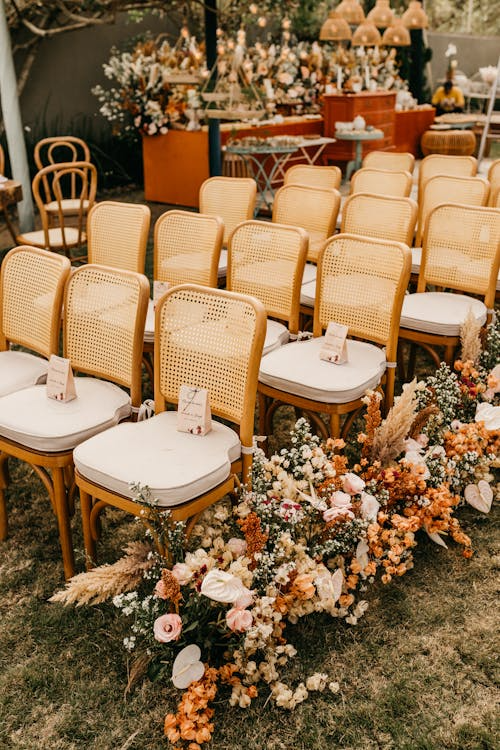
For the ceremony, choose a focal point that guests can easily see. The layout should make it easy for everyone to watch without straining their necks. Consider straight, circular, or semi-circle seating arrangements depending on your guest count and space.
The aisle should be wide enough for walking comfortably. It should also provide clear photo opportunities. Avoid placing seats too far apart or too tightly together. A good ceremony layout balances intimacy with comfort.
Guest Comfort and Access
If your ceremony and reception are in the same venue, you’ll need a plan for flipping the space or separating the areas. In hot or cold weather, ensure there’s proper shelter, fans, or heating for guests sitting during the ceremony. Leave space near the back for elderly guests or parents with children who may need to step away easily.
Planning the Reception Layout
Table Configuration Options
The ultimate guide to planning your wedding venue layout must include the arrangement of reception tables. The choice of round, rectangular, square, or long banquet-style tables affects how people interact.
Round tables work well for conversation, while long tables create a more communal feel. Just make sure the table sizes match the guest count without overcrowding the space. Leave at least 1.5 metres between tables for smooth movement and for service staff to work efficiently.
Head Table Placement
Decide whether you want a head table, sweetheart table, or a family table setup. The head table is often placed centrally or at the front of the room. It should be clearly visible to guests for speeches and first toasts. Allow some distance between this and the guest tables for photos and comfort.
Guest Table Positioning
Avoid placing guests too close to speakers, high-traffic areas, or kitchen entrances. Place older guests further from the music and children near parents. Try to seat guests who know each other or who will likely enjoy each other’s company.
Designating Key Functional Zones
Bar Area
Position the bar in an area that’s easily accessible but doesn’t block major pathways. A central bar encourages social interaction, but can also lead to congestion. For larger weddings, consider placing two smaller bars on either side of the room.
Dancefloor Location
Place the dancefloor near the head table or centrally within the space. It should be easy to access but not so close to the entrance that it becomes the first thing guests walk into. The size should suit your guest count and music style—too big and it will look empty, too small and it can feel crowded.
Entertainment and Stage Setup
If you’re hiring a band or DJ, allow them enough space and power access. Avoid placing entertainment in corners or behind pillars. Guests should be able to see performers without blocking walkways or emergency exits.
Managing Traffic Flow
Entrances and Exits
Ensure that entry and exit points are kept clear throughout the night. Greet guests at the entrance with signage, seating charts, or welcome drinks. Try to avoid placing gift tables or sign-in books in tight corridors or near bathroom doors.
Buffet and Catering Stations
If you’re using a buffet or food stations, place them far from the main entrance. Design pathways so guests can queue without blocking tables or the dancefloor. Staggering food stations can reduce waiting time and keep guests moving comfortably.
Toilets and Quiet Areas
Ensure there is clear access to restrooms, with proper lighting and signage. If space allows, create a small quiet area or lounge for guests needing a break from the dancefloor or noise. These areas are especially appreciated by older guests or parents with young children.
Incorporating Décor Into Layout Decisions
Centrepiece Height and Visibility
When planning table décor, think about how centrepieces affect visibility. Very tall or wide arrangements can block conversation and prevent people from seeing key events such as speeches or first dances. Balance impact with function.
Dancefloor Lighting
Lighting around the dancefloor affects energy and mood. String lights, uplighting, or simple coloured effects can help create a celebratory vibe. Make sure the lighting does not blind guests or performers.
Signage and Flow Indicators
Directional signage can be both practical and stylish. Use it to indicate where the bar is, where to find restrooms, or when key events are starting. Place signs at eye level and make them readable in all lighting conditions.
Tips for Outdoor Venue Layouts
Ground Conditions and Furniture
For weddings in gardens, paddocks, or beaches, check the ground. Soft or uneven surfaces may require flooring or extra support for tables and chairs. Some layouts won’t work without stability, especially for older guests or those wearing heels.
Weather Plans
Include backup layout plans for rain or heat. Tents, marquees, or shaded zones can help manage conditions. Layouts should allow quick transitions if weather forces changes.
Lighting and Power
Outdoor venues need extra planning for lighting and power. String lights, lanterns, or battery-powered features help define space. Ensure your layout includes room for generators or power points that don’t interfere with guest comfort.
Rehearsing the Layout in Advance
On-Site Walkthroughs
Walk through your layout with your coordinator, suppliers, and anyone helping with setup. This will help catch blind spots in traffic flow or spacing. It also gives a clear picture of how everything will come together on the day.
Finalising Timings
Your timeline depends heavily on your layout. Moving guests from one area to another takes time. Build in those transitions when finalising the run sheet, and let vendors know what access they’ll have and when.
Frequently Asked Questions
How do we make sure the layout suits our guest count?
Start by choosing the right venue size. Then, allow space per guest—usually around 1.5 to 2 square metres each. Avoid overfilling the space with décor or unnecessary furniture. Keep pathways wide and seating comfortable.
Can we change the layout on the day if needed?
It depends on your venue and team. Small changes are possible, but large adjustments can affect timing and supplier setups. Always plan a layout that works well without last-minute reshuffling.
What’s the best way to communicate the layout to suppliers?
Provide a detailed floorplan with table numbers, service zones, power points, and décor placements. Meet suppliers on-site where possible, or share clear diagrams ahead of time to prevent confusion.
Conclusion
Planning the layout of your wedding venue is one of the most underrated but essential tasks. It affects every part of the day—from how people feel when they arrive, to how easily they can join the dancefloor or hear a speech. The ultimate guide to planning your wedding venue layout isn’t just about aesthetics.
It’s about function, movement, and guest comfort. By putting thought into every corner of the space, your wedding can run smoothly and leave a lasting impression on everyone attending. Whether you’re working with a hall, a garden, or a marquee, your layout choices will help shape the celebration you’ve imagined.