
When it comes to weddings, there are so many traditions and details to consider, and two of the most iconic pieces of jewellery that symbolize love and commitment are the wedding band and engagement ring.
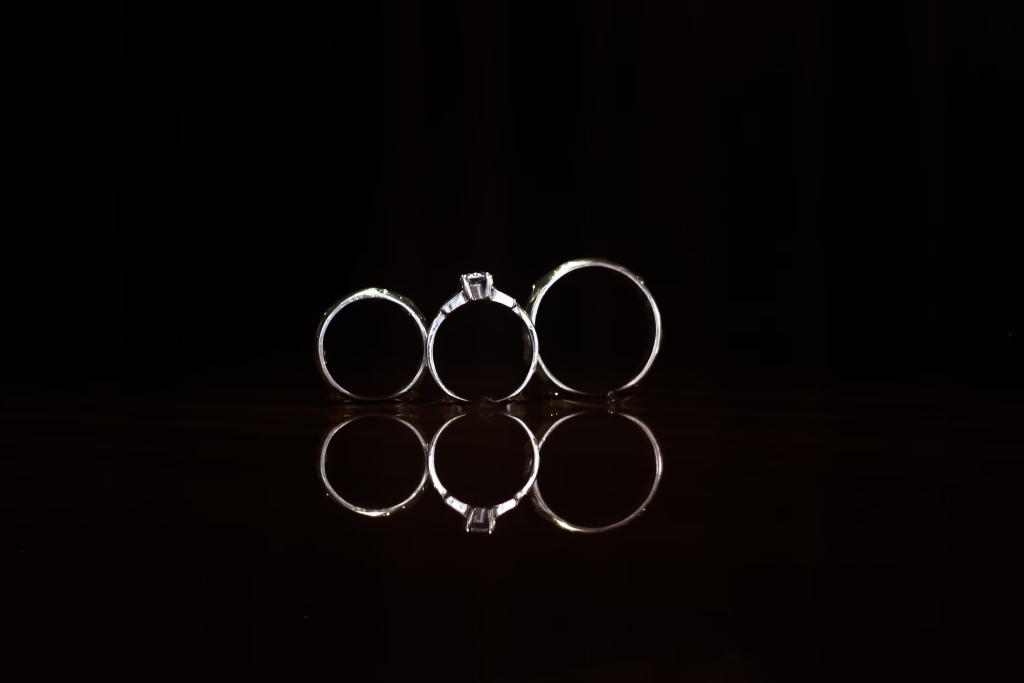
But if you’re new to this world, you may be wondering: do you get both a wedding band and an engagement ring? Or are they interchangeable? In this article, we’ll dive deep into the significance of these rings, why you typically need both, and how to choose the right ones for your special day.
Do You Get A Wedding Band And An Engagement Ring?
Traditionally, yes, you get both a wedding band and an engagement ring. The engagement ring is given at the time of the proposal and symbolizes the promise of marriage. It’s often more elaborate, featuring a prominent gemstone, typically a diamond, that represents love and commitment.
The engagement ring is worn on the left ring finger, typically with the diamond facing outward as a sign of engagement.
On the other hand, the wedding band is exchanged during the wedding ceremony, symbolizing the vows and the formal union of the couple. Wedding bands are usually simpler than engagement rings and can be plain metal or embellished with smaller stones. It’s worn on the same finger as the engagement ring, often stacked together in a harmonious set.
The tradition of wearing both rings is deeply rooted in history, going back to ancient Egypt when couples exchanged rings made of reeds or leather as symbols of their commitment. Over time, the materials changed, but the two-ring tradition has remained.
Why Do You Need Both A Wedding Band And Engagement Ring?
While both rings are essential in modern weddings, they serve distinct purposes and represent different stages in a relationship.
Symbolism And Timing
The engagement ring symbolizes the promise to marry, marking the beginning of the journey. It’s given during the proposal and signifies a formal commitment before the actual wedding.
The wedding band, however, represents the ongoing commitment and love that is solidified during the ceremony. It serves as a reminder of the vows exchanged and the unity of marriage.
Tradition And Etiquette
There’s a traditional expectation that both rings will be worn, with the engagement ring worn first, followed by the wedding band.
This order has evolved, and many couples still prefer to adhere to this custom. In fact, during the ceremony, the bride typically places the wedding band on her partner’s finger first, symbolizing the commitment before she places the engagement ring on top.
Aesthetic Appeal
Many couples like the aesthetic of having two rings. The engagement ring, often more elaborate, stands out on its own, while the wedding band provides a complementary, sometimes more understated, addition. When stacked together, they create a beautiful and meaningful combination. The contrast between the two rings enhances the significance of both.
Protection Of The Engagement Ring
The wedding band often serves as a protective layer for the engagement ring. The engagement ring’s gemstone, typically a diamond, is more exposed to the elements, and having a wedding band underneath helps shield it from daily wear and tear.
How To Choose An Engagement Ring And Wedding Band
Now that you understand the significance of both rings, the next question is: how do you choose the right engagement ring and wedding band? The process can feel overwhelming given the variety of styles, settings, and materials available. Here are a few factors to consider:
Matching Styles
- Complementary Styles: While the engagement ring and wedding band are different in terms of purpose, many couples choose to match their rings in terms of style and material. A classic option is to choose a wedding band that matches the metal of the engagement ring (e.g., platinum with platinum, gold with gold). You could also select a wedding band that complements the design of the engagement ring, creating a cohesive look.
- Separate Styles: Some people prefer a more personal approach, with the engagement ring standing out on its own with a unique design, while the wedding band is more simple. This option allows for more creativity and customization and allows the rings to reflect the personalities of each individual.
Material Choices
- Engagement rings and wedding bands come in a variety of metals, such as yellow gold, white gold, rose gold, platinum, or even alternative metals like titanium or tungsten. The choice of material affects the durability, appearance, and cost of the rings.
- When choosing materials, consider the wearer’s lifestyle. For instance, platinum is a strong and durable metal, making it an excellent choice for someone who leads an active lifestyle, whereas gold may be more affordable and have a warm, traditional look.
Personalization
- Many couples choose to personalize their rings with engravings. Some may inscribe a special date, initials, or a meaningful quote on the inside of the wedding band or engagement ring. This small detail adds a personal touch and makes the rings even more special.
Ring Size And Comfort
- Both engagement rings and wedding bands should be comfortable to wear every day. Make sure to get your finger sized properly, and don’t forget to consider how the rings will fit together. It’s important to try on the rings together to ensure they fit properly when stacked, as the two rings should nestle comfortably next to each other.
Budget Considerations
- Wedding rings can be a significant financial investment, so it’s important to set a realistic budget that covers both the engagement ring and the wedding band. While engagement rings typically cost more due to the large stone or intricate design, wedding bands can be more affordable. However, there are options at all price points, so don’t hesitate to explore different styles within your budget.
Do You Have To Have Both Rings?
While the tradition of wearing both a wedding band and an engagement ring is common, it’s not strictly necessary. Some couples choose to forgo one or both rings, opting for something more minimalist or even a single band to symbolize both the engagement and wedding.
Some modern couples prefer to wear a single, all-in-one ring. It’s all about personal preference, lifestyle, and what feels right for you as a couple.
For instance, some brides may opt for a stylish and elegant engagement ring that doubles as a wedding band, or others might prefer a simpler, elegant wedding band to be worn on its own after the wedding. These decisions often come down to how much importance is placed on the distinction between the engagement and wedding rings.
Conclusion
Choosing both an engagement ring and a wedding band is a deeply personal and significant decision.
Each ring represents a different stage of the relationship: the engagement ring symbolizes the promise and excitement of the proposal, while the wedding band represents the lasting commitment of marriage. Both rings are meaningful and serve to remind couples of their love, vows, and partnership.
Ultimately, while traditions are important, the choice of whether to have both a wedding band and an engagement ring is entirely up to you as a couple. Whether you choose to follow tradition or create your path, the most important thing is that the rings reflect the love and commitment you share. After all, it’s not about the number of rings you wear, but the love that they represent.
Looking for an engagement ring & wedding band shop in Melbourne, Victoria? The answer is here,! Click and visit the cliveden jewellers, today!